Question:medium
Which of the following is not a part of the human digestive system?
Which of the following is not a part of the human digestive system?
Show Hint
*Remember:* The digestive system includes organs that help process food, while the lungs are part of the respiratory system.
Updated On: Jan 16, 2026
- Stomach
- Pancreas
- Liver
- Lungs
Show Solution
The Correct Option is D
Solution and Explanation
To determine the organ not involved in digestion, we must first understand the human digestive system and the functions of the listed organs.
1. Definition of the Digestive System
The digestive system is responsible for breaking down ingested food into absorbable nutrients and energy for the body, while also expelling waste products.
2. Key Organs of the Digestive System:
- Stomach: Acts as a muscular sac that combines food with digestive fluids, initiating breakdown into a semi-liquid state. It is crucial for digestion.
- Pancreas: Produces vital digestive enzymes essential for metabolizing proteins, fats, and carbohydrates. It also synthesizes hormones, such as insulin, which regulate blood glucose levels.
- Liver: Secretes bile, a fluid that aids in fat digestion. It further processes nutrients absorbed from the small intestine and detoxifies the body.
3. The Role of the Lungs:
- The lungs belong to the respiratory system, distinct from the digestive system.
- Their primary function is respiration, facilitating the intake of oxygen and the expulsion of carbon dioxide from the blood.
- The lungs do not participate in the breakdown of food or nutrient absorption.
4. Conclusion:
- The stomach, pancreas, and liver are integral to the digestive process.
- The lungs are vital for respiration but play no role in food digestion.
Final Determination:
The organ excluded from the human digestive system is the lungs.
Was this answer helpful?
1
Top Questions on Human body
- The part of the brain responsible for maintaining posture and balance is the:
- CUET (UG) - 2025
- Biology
- Human body
- Which part of the nephron is primarily responsible for filtration of blood?
- CUET (UG) - 2025
- Biology
- Human body
- The large bean-shaped organ acting as a filter of the blood in humans is:
- CBSE Class XII - 2025
- Biology
- Human body
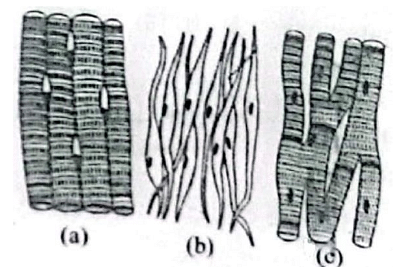
- Three types of muscles are given as a, b and c. Identify the correct matching pair along with their location in human body :
- NEET (UG) - 2024
- Biology
- Human body
- Want to practice more? Try solving extra ecology questions todayView All Questions